
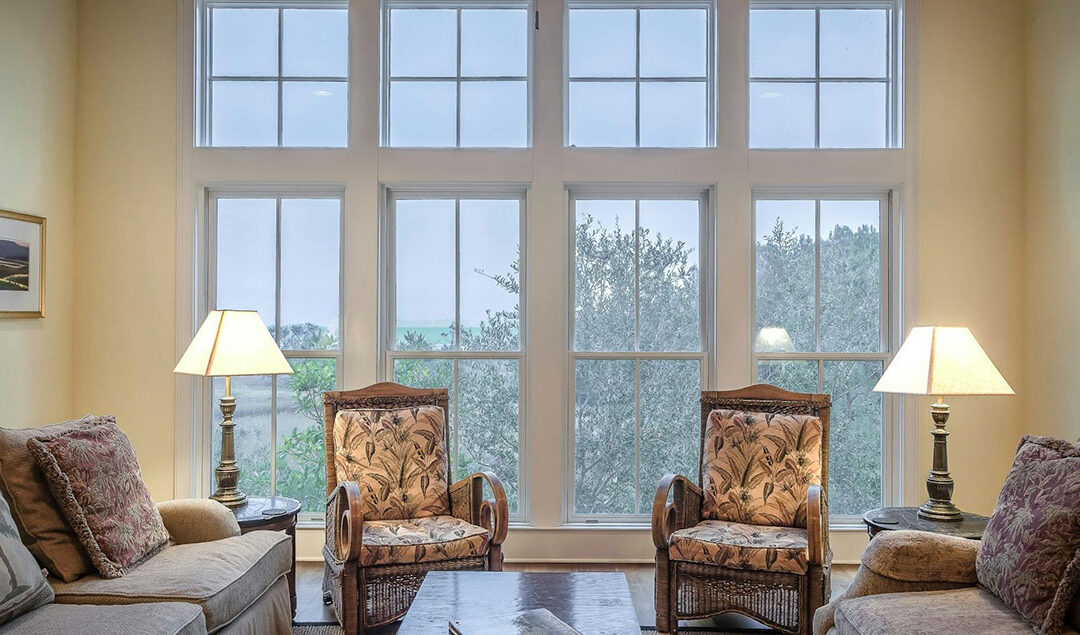
Bay Area homeowners enjoy a mild climate, yet many still wince when the monthly PG&E bill arrives. From fog-chilled coastal evenings to blistering summer afternoons inland, outdoor swings demand constant thermostat tweaks—and older windows let conditioned air leak away. A thoughtful window installation with modern, energy-efficient glazing tackles that problem head-on. Below are five practical reasons these windows trim utility costs without sacrificing comfort or curb appeal.
Advanced Glass Cuts Heat Transfer
Energy-efficient units rely on double or triple panes, inert gas fills, and low-emissivity (low-E) coatings. Together, those layers slow the movement of heat in or out of the house. According to the U.S. ENERGY STAR program, swapping single-pane units for certified alternatives can lower heating and cooling expenses by up to 13 percent nationwide.
While 13 percent sounds modest, compound that figure against PG&E electricity rates that have jumped more than 50 percent since 2022, with another 1.5 percent bump this spring. On a typical Bay Area bill, the savings can cover the cost of several streaming subscriptions every month.
Lower Solar Heat Gain Keeps A/C Bills in Check
East Bay summers often push interior temperatures well above comfort levels. Low-E coatings tuned for the Pacific Coast climate block infrared rays while still admitting plenty of visible daylight, easing the burden on air-conditioning equipment. Homeowners in warmer inland microclimates—from Walnut Creek to window replacement Livermore CA projects—report the most dramatic reductions, especially when they choose glazing with a solar heat-gain coefficient (SHGC) below 0.25.
Airtight Frames End the Drafts
Old sash weights, cracked putty, or warped aluminum frames create invisible gaps that bleed conditioned air. Modern composite or fiberglass frames include compression seals and multi-point locks that tighten every close. BayREN’s 2024 regional report found households that tackled envelope leaks (windows included) saved an average of roughly $3,000 in annual electricity costs once insulation and lighting upgrades were bundled in. Even if your home’s envelope is otherwise tight, replacing the biggest glass openings can yield a noticeable dip in HVAC runtime.
Compliance With California’s Title 24 Pays Off
California’s Building Energy Efficiency Standards tighten every three years; the next update arrives January 1, 2026. Choosing units that already meet proposed U-factor and SHGC thresholds future-proofs today’s purchase and may unlock rebates from utilities and municipal programs. When comparing Window replacement cost, look at net out-of-pocket rather than sticker price: local incentives often shave hundreds of dollars off each opening, and some Bay Area jurisdictions expedite permits for high-performance upgrades.
Long-Term Durability Means Long-Term Savings
Efficient windows aren’t only a glass story. UV-stable spacers, welded frames, and integral weep systems resist the fog, salt, and seismic rumbles that test Bay Area construction. The result is a longer service life and fewer seal failures—the number-one cause of fogged panes. For owners planning to stay put, that longevity beats chasing bargain glass every decade. For those eyeing resale, the National Association of Realtors notes that buyers increasingly ask agents about window replacement for homes as part of pre-offer due diligence.
Putting It All Together
Energy-efficient windows trim bills in multiple ways: restricting conduction, blocking excess sun, sealing leaks, tapping rebates, and ending premature replacements. Yet homeowners naturally wonder, “Who installs them and at what price?” A quick search for window fitters near me will surface local contractors, but vetting experience with Title 24 compliance and Bay Area microclimates is vital. Seek written quotes that break out materials, labor, and disposal so meaningful comparisons are possible.
Upfront window replacement cost varies widely—anywhere from $650 to $1,200 per opening for mid-grade vinyl to high-end fiberglass—but remember that utility savings start accruing on day one. Factor in potential rebates (often $100 to $200 per window) and the payback period can land under seven years for many single-family homes. Those numbers get even friendlier if PG&E adds future surcharges to cover wildfire mitigation or grid upgrades.
A Final Word
The Bay Area’s mix of coastal fog and inland heat demands windows that perform year-round. Whether you own a Victorian in Alameda or a stucco ranch in Livermore, high-efficiency glazing offers a straightforward path to lower energy bills and greater comfort. For readers ready to take the next step, reach out to a licensed contractor who specializes in affordable window replacement and ask for ENERGY STAR performance data alongside local permit experience. Your future self—and your utility budget—will thank you.