

A fresh coat of paint does more than change the color of your walls. It protects surfaces from weather damage, extends the life of siding and trim, and makes your entire home feel updated without a major renovation. Whether you are preparing to sell, refreshing worn rooms, or shielding your exterior from the Bay Area’s shifting climate, painting is one of the most practical and cost-effective investments a homeowner can make. It ranks among the top home improvements in return on investment, consistently outperforming far more expensive renovation projects.
This guide walks Bay Area homeowners through every stage of a residential painting project, from recognizing the signs that it is time to repaint, to choosing finishes, hiring a contractor, and understanding costs. Landmark Exteriors, a family-owned Bay Area contractor since 1992, offers interior and exterior painting alongside window replacement, custom plantation shutters, and other home upgrades.
What Residential Painting Includes
Interior Painting
Interior painting covers far more than the four main walls. A full project can include ceilings, crown molding, baseboards, door frames, closet interiors, and accent walls. Kitchens and bathrooms often need specialized finishes that resist moisture. Even smaller details like window casings and stair railings affect the overall feel, so a thorough contractor addresses every visible surface.
Exterior Painting
Exterior painting refreshes and protects every exposed surface outside the home: siding (wood, stucco, or fiber cement), fascia boards, eaves, trim, shutters, garage doors, and the front entry door. Each surface type requires specific primers and paints, and prep work is more intensive than interior projects due to sun exposure and moisture damage.
Common Reasons Homeowners Repaint
Homeowners repaint for many reasons. Faded or chalking paint makes a house look older than it is. Everyday wear and tear gradually lowers the visual quality of interior spaces. Many sellers repaint before listing because the return on investment is hard to beat. Others want to update a dated palette, protect surfaces from dry rot or water intrusion, or simply restore the pride of ownership that comes with a home that looks its best from the street.
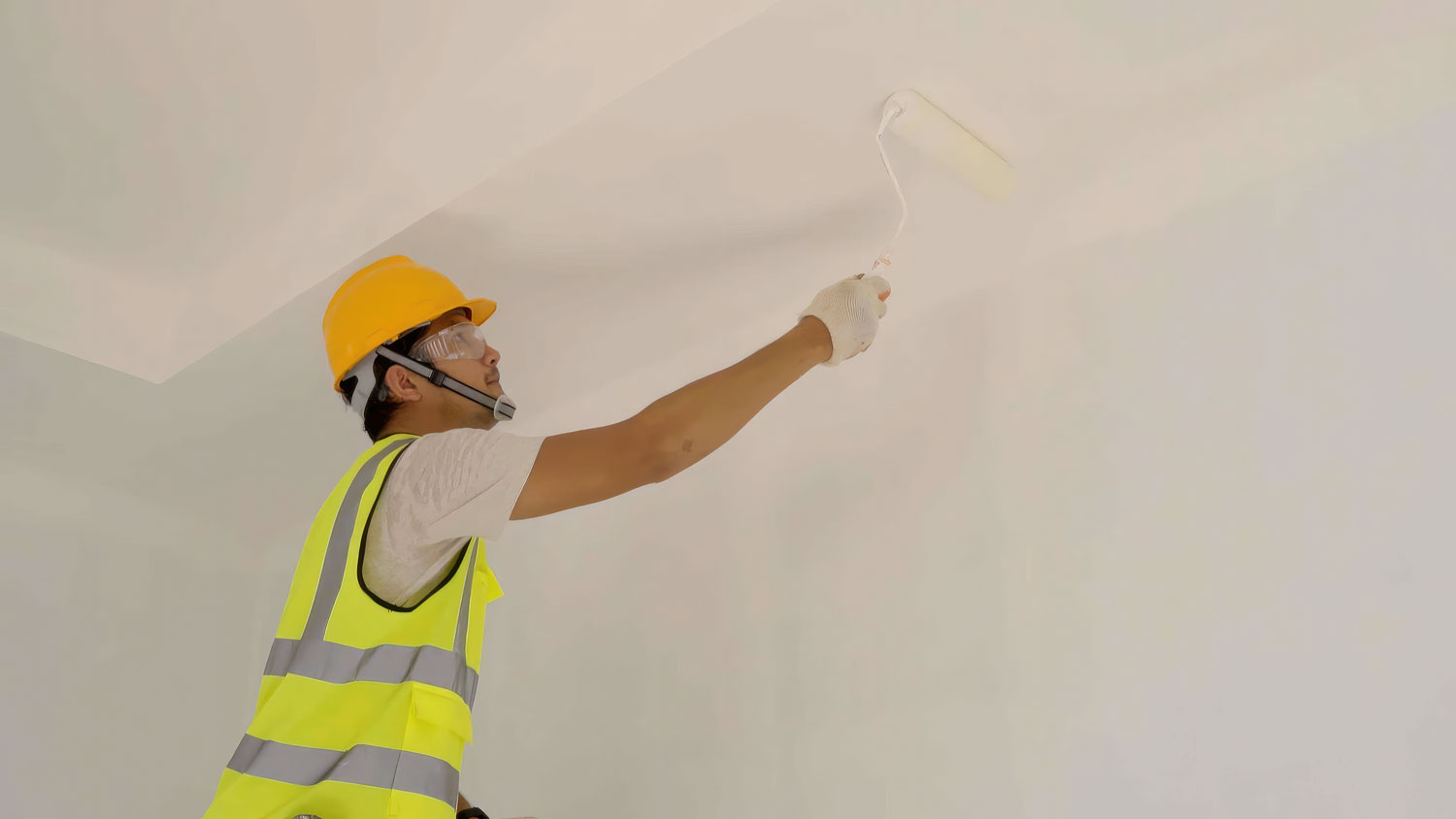
Why House Painting Matters in the Bay Area
| Metric | Interior Painting | Exterior Painting |
| Average ROI | 107% | 51% to 55% |
| Estimated Value Added | $2,000 to $16,000+ | 2% to 5% of home value |
| Agent Recommendation Rate | 80% of agents recommend painting before listing | 80% of agents recommend painting before listing |
Sources: HomeLight Top Agent Insights Survey, Consumer Reports
Real estate professionals consistently rank painting among the most effective pre-sale upgrades. For Bay Area homeowners sitting on significant equity, these returns on a relatively modest expense deserve attention. Beyond the financial side, there is the simple satisfaction of pulling into a driveway and seeing a home that looks its best. Pride of ownership is a real motivator, and fresh paint delivers that feeling faster than almost any other home improvement.
Paint also forms a protective barrier against moisture, UV exposure, and temperature swings. In the Bay Area, where mornings can be damp and afternoons warm, that barrier matters. Small cracks in stucco and peeling spots on trim can lead to dry rot, water damage, and termite activity if left unaddressed. Landmark Exteriors treats painting as both a cosmetic and a maintenance investment, emphasizing surface protection on every project.
Interior vs. Exterior Painting: Key Differences
| Factor | Interior Painting | Exterior Painting |
| Primary Goal | Aesthetics, mood, livability | Appearance, durability, weather protection |
| Prep Work | Patching, sanding, taping, covering furniture | Pressure washing, scraping, caulking, wood/stucco repair |
| Paint Type | Low odor, quick drying, easy touch-up | UV-resistant, flexible, mildew-resistant |
| Common Finishes | Matte, eggshell, satin, semi-gloss | Satin, semi-gloss |
| Typical Duration | 2 to 4 days | 3 to 5 days |
The quality of exterior prep has a direct impact on how long a paint job lasts. Caulking gaps around windows and trim, repairing damaged wood or stucco, and priming bare surfaces are non-negotiable steps that separate a finish lasting three years from one lasting ten. Interior paints are formulated for low odor, quick drying, and easy touch-ups, while exterior paints are engineered to resist fading, cracking, and mildew under outdoor conditions.
Signs Your Home Needs Repainting
Interior signs: Persistent scuff marks, yellowing, stains that no longer respond to cleaning, peeling paint in bathrooms or kitchens, and dated colors that make a home feel tired.
Exterior signs: Fading, chalking (a powdery residue that rubs off when you touch the siding), cracking, bubbling, peeling, and bare wood visible on trim, fascia, or window frames. These signs mean protective qualities are diminishing and surface damage may already be underway. Addressing exterior wear early can save thousands in future repair costs compared to waiting until wood rot or stucco failure requires structural work.
When spot repairs stop blending in and you are touching up the same areas repeatedly, a full repaint becomes the more cost-effective path.
How to Plan an Interior Painting Project
Start by deciding which rooms need the most attention. High-traffic areas like hallways, living rooms, and kitchens show wear first. Bedrooms and guest rooms can usually wait longer. Then test paint samples on the wall in different lighting conditions throughout the day. A shade that looks perfect under a store’s fluorescent lights can appear completely different in a sun-filled kitchen or a north-facing bedroom.
Paint Finish Selection Guide
| Finish | Best For | Sheen Level | Washability |
| Matte | Bedrooms, ceilings, low-traffic areas | No sheen | Low |
| Eggshell | Living rooms, dining rooms | Subtle sheen | Moderate |
| Satin | Kitchens, bathrooms, kids’ rooms | Soft glow | High |
| Semi-Gloss | Trim, doors, cabinets | Noticeable shine | Very high |
Before the crew arrives, move furniture away from walls and remove wall hangings and switch plates. A good painting team handles the rest, but clearing the space keeps the project on schedule.
How to Plan an Exterior Painting Project
Begin with an honest assessment. Walk the perimeter and look for cracks in stucco, peeling paint on trim, soft spots in wood, and gaps around windows. Structural issues need repair before paint goes on, or the new finish will fail prematurely. If you spot damage around window frames, it may also be time to consider a window replacement alongside your paint project.
Color selection balances personal taste and neighborhood context. Neutral palettes with accents on the front door and shutters tend to have the strongest curb appeal. A black front door, for example, has been linked to higher perceived home values in buyer studies. In the Bay Area, the best painting weather runs from late spring through early fall, when rain is rare and temperatures allow paint to cure properly.
Do not underestimate prep work. Pressure washing, scraping, sanding, caulking, and priming separate a paint job that lasts three years from one that lasts ten.
The Residential Painting Process Step by Step
Understanding what happens during a professional painting project helps homeowners set expectations and compare contractors more effectively. Here is what a typical residential painting project looks like from start to finish.
Step 1: Consultation and quote. The contractor visits the home, inspects surfaces, discusses goals, and provides a written scope of work with a detailed estimate.
Step 2: Surface inspection. The team identifies areas needing repair: cracked stucco, rotting wood, damaged caulking, and adhesion failures.
Step 3: Prep work. Cleaning, scraping, sanding, caulking, making repairs, and priming bare or problem areas.
Step 4: Painting and finishing. Primer where needed, followed by two coats of finish paint. Edges are cut by hand; large surfaces are rolled or sprayed.
Step 5: Final walkthrough and cleanup. The homeowner and crew walk through together. Touch-ups are handled on the spot, and all materials are removed. Browse Landmark’s project gallery to see completed results.
How to Choose the Right Paint for Your Home
For interiors, focus on washability, finish, and room traffic. Hallways and family rooms need paint that handles regular wiping without losing its finish. Low-VOC and zero-VOC formulas are worth considering for indoor air quality, especially in homes with children or pets. For bedrooms and guest rooms, a flatter sheen like matte or eggshell creates a softer, more restful atmosphere.
Exterior paint needs to withstand UV rays, temperature fluctuations, and moisture. Acrylic latex paints are the standard for most surfaces because they flex with temperature changes and resist cracking. The specific product should match the surface type, since stucco, wood siding, and fiber cement each perform best with paints formulated for their unique characteristics.
Cheaper paints fade faster, require more coats, and break down sooner. Premium-grade paints contain higher concentrations of pigment and resin, resulting in better coverage and a longer lifespan. Landmark Exteriors uses premium-grade paints on every project for exactly this reason.
How to Choose a Residential Painting Contractor in the Bay Area
Look for a contractor with Bay Area experience who provides a clear, written scope covering surfaces, prep, products, and timeline. Local reputation, verified reviews, and responsive communication are strong reliability indicators. A contractor who knows how coastal fog, inland heat, and seasonal temperature swings affect paint performance will make better product and timing recommendations than one who has never worked in the region.
Questions to Ask Before Hiring a Painter
| Question | Why It Matters |
| What prep work is included? | Prep determines how long the paint lasts. |
| Which surfaces are covered vs. excluded? | Prevents surprise gaps in the finished job. |
| What paint brand and grade will be used? | Product quality affects durability and coverage. |
| How long will the project take? | Sets realistic expectations for disruption. |
| Are there costs beyond the quoted price? | Avoids unexpected charges mid-project. |
Years in business, family ownership, honest recommendations, and a willingness to stand behind the work are the trust signals that separate professionals from fly-by-night crews. Landmark Exteriors has been family-owned since 1992, building long-term relationships with Bay Area homeowners through straightforward advice and consistent results.

How Much Does Residential Painting Cost in the Bay Area?
| Cost Factor | Impact on Price |
| Home size / room count | Larger homes and more rooms increase labor and material costs. |
| Surface condition | Extensive scraping, repairs, or priming adds significant prep time. |
| Paint grade | Premium paints cost more upfront but last longer and cover better. |
| Trim and detail work | Complex trim, multi-story homes, and hard-to-reach areas increase cost. |
| Number of coats | Two coats are standard; dark-to-light color changes may require three. |
It is common to receive quotes that differ by thousands of dollars. The gap usually comes down to prep, paint quality, and coat count. A low bid that skips preparation or uses builder-grade paint often leads to a finish that fails within a few years. The most cost-effective approach is to evaluate total value: thorough prep, quality products, skilled application, and a clear guarantee. The cheapest quote is rarely the best long-term investment. When comparing estimates, pay close attention to what is and is not included in each line item.
Popular Residential Painting Projects
Full exterior repaints are the most requested project, giving aging homes a complete refresh while addressing accumulated surface damage. Interior refreshes before moving in let buyers choose their own colors while rooms are empty and access is unrestricted. Repainting high-traffic spaces like kitchens, hallways, and mudrooms with durable, washable finishes keeps a home looking well-maintained between full repaints.
Trim and door upgrades can modernize a room without repainting every wall. Painting baseboards, door frames, and crown molding in a crisp white or contrasting shade makes a noticeable difference for a fraction of the cost of a full repaint. And pre-sale painting remains one of the most effective ways to maximize listing appeal, with real estate agents consistently naming it as a top recommendation for sellers working with a limited improvement budget.
Common Mistakes to Avoid
Choosing based on price alone. The lowest bid often means less prep, thinner coats, and cheaper products, resulting in a shorter-lasting finish.
Underestimating prep work. Painting over cracked, peeling, or dirty surfaces guarantees a poor result. Prep is the foundation of every lasting paint job.
Picking colors without testing them. A swatch on a screen looks nothing like paint on a sunlit wall. Always test on the actual surface.
Leaving exterior wear untreated too long. Small cracks and peeling get worse over time, turning a repaint into a more expensive repair project.
Hiring without a clear written scope. If the contract does not specify surfaces, products, and prep steps, disagreements become almost inevitable.
Why Homeowners Bundle Painting with Other Upgrades
If your home also needs new windows, shutters, or artificial grass, bundling those projects with a paint job reduces disruption, crew visits, and often overall cost. Painters work around windows and trim anyway, so coordinating timing makes the process more efficient.
Landmark Exteriors is well-suited for bundled projects because the company handles painting, windows, shutters, and turf under one roof. Homeowners who plan multiple upgrades together save time, reduce total disruption, and walk away with a cohesive finished look rather than a piecemeal result. Coordinating a full exterior repaint with new energy-efficient windows, for example, means the painting crew can properly seal and finish around the new frames in a single visit.
FAQs About Residential Painting in the Bay Area
How often should a house be repainted?
Most Bay Area exteriors need repainting every 7 to 10 years depending on exposure and paint quality. Interiors last longer, though high-traffic rooms may need attention every 5 to 7 years.
How long does a painting project take?
A standard exterior repaint usually takes 3 to 5 days. Interior projects vary but often wrap up in 2 to 4 days.
What prep work is included professionally?
Cleaning, scraping, sanding, caulking, minor repairs, and priming. Always confirm these steps appear in the written scope.
Can painters identify surface damage?
Yes. Experienced crews spot dry rot, termite damage, stucco cracks, and failed caulking during inspection, often before the homeowner notices.
Is it better to paint before selling?
In most cases, yes. Roughly 80% of real estate agents recommend painting as a top pre-listing upgrade.
What should I ask for in a painting quote?
A written estimate covering surfaces, paint brand and product, number of coats, prep details, timeline, and exclusions.
Do I need to leave the house during interior painting?
Not necessarily, but it helps. Low-VOC paints reduce fumes significantly, and most professional crews can work room by room to minimize disruption. Plan to keep pets and young children away from active work areas.
Why Choose Landmark Exteriors for Residential Painting
Landmark Exteriors has been family-owned and operated since 1992, serving Bay Area homeowners with residential painting, window replacement, custom plantation shutters, and artificial grass installation. Their approach centers on thorough surface preparation, premium-grade paints, honest communication, and a commitment to leaving every home better protected and better looking than they found it.
If your Bay Area home is showing signs that it is time for a fresh coat, or if you are planning a larger exterior upgrade, request a free consultation with Landmark Exteriors. A well-planned painting project delivers both immediate visual impact and long-term surface protection.