
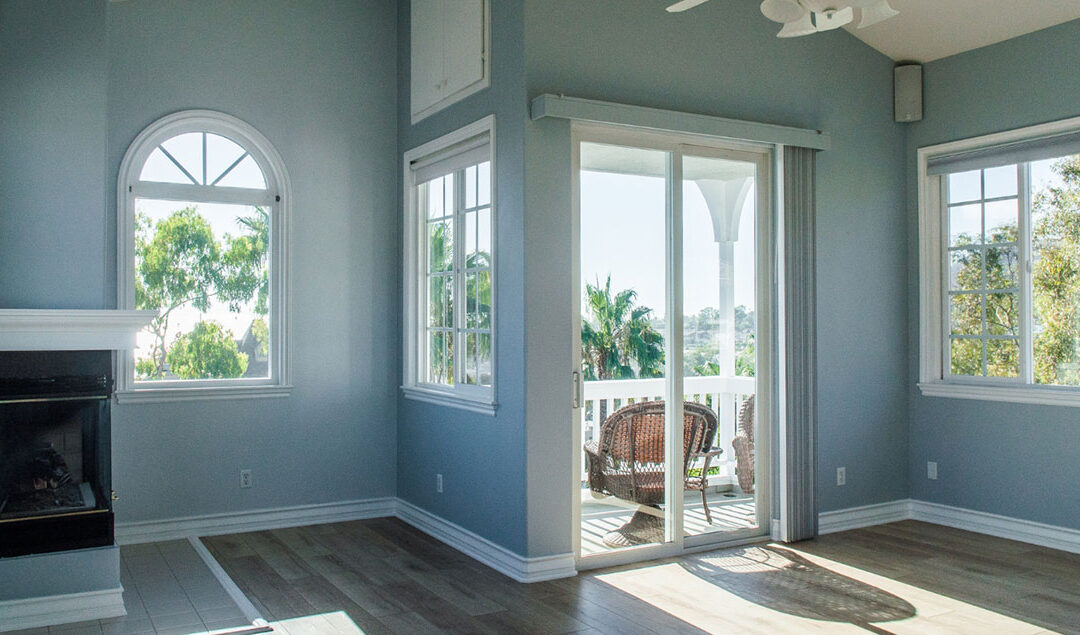
Low E3 glass is a type of low-emissivity glazing designed to reduce heat transfer and solar heat gain while still admitting useful daylight. For many Bay Area homes (especially rooms with strong afternoon sun), it can improve comfort and reduce cooling demand, but the right choice depends on the complete window’s NFRC ratings, orientation, frame, installation quality and your priorities for daylight and appearance.
Meet the Invisible Shield
Glass looks simple yet it leaks heat like a sieve. Low E3 panes wear a nearly invisible metal coat that bounces unwanted energy away and keeps wanted warmth inside. Think of it as a slim silver vest the glass never takes off. Homeowners eyeing a window swap often ask: “Is that fancy layer worth my cash?” Let’s break it down in straight talk.
How the Coating Does Its Job
Every warm surface gives off infrared energy. Bare glass has high emissivity, so it readily radiates heat; a Low E3 coating lowers that emissivity and reflects more infrared energy instead. In a modern insulated glass unit, the coating works together with multiple panes, a sealed air space, gas fill, and spacers to improve thermal performance.
Actual performance varies by manufacturer and window configuration, so homeowners should compare the complete window’s NFRC ratings for U-factor, solar heat gain coefficient (SHGC) and visible transmittance rather than relying on the coating name alone.
Big Wins for Busy Homes
- Toasty Rooms, Lower Bills
A tighter thermal suit means less furnace time. The U.S. Department of Energy says heat gain and heat loss through windows account for about 25%–30% of residential heating and cooling energy use. Low-e coatings can reduce energy loss through the glazing, but the savings from a replacement project depend heavily on what you are replacing, your climate, window area, orientation and installation quality.
- Summer Comfort without the Sweat
The same film that helps control indoor heat can also reject a large share of solar heat. Engineers describe this with the solar heat gain coefficient (SHGC): the lower the number, the less solar heat passes through the complete window. That can be especially useful on west- and south-facing glass in hot inland Bay Area locations.
- Fade-Free Fabrics
UV exposure contributes to fading of flooring, fabrics, artwork and furnishings. High-performance Low E3 products can block most ultraviolet transmission. Fading is caused by more than UV alone, however, so no window can make fabrics completely “fade-free.”
- Glare Control—But Not a Soundproofing Upgrade
Some Low E3 coatings reduce visible light and can soften harsh solar glare. The low-e coating itself is not a meaningful soundproofing feature. Quieter windows generally rely on the full insulated-glass design, pane thickness, laminated glass, air space, frame and airtight installation.
- Smaller Carbon Footprint
Burn less fuel, release less CO₂. The savings looks small initially, but they stack over time and they matter.
The Flip Side
Dimmer Daylight
That mirror-like layer steals part of the sunshine. The exact change depends on the coating, glass package, and tint. Some homeowners like the softer glow, while others prefer maximum daylight.
Sticker Shock
Low E3 panes cost more up front. The U.S. Department of Energy says windows with low-e coatings typically cost about 10%–15% more than regular windows. Payback is not a fixed number: it depends on the existing windows, local energy prices, climate, window area, orientation, shading and how long you expect to own the home.
Not Every Room Needs the Same Glass
A very low SHGC can be valuable where summer sun is the problem, but it may be less desirable where you want winter solar gain or maximum daylight. NFRC notes that the best low-e type depends on climate, orientation, shading, house design and personal preferences. Compare the whole-window U-factor, SHGC and visible transmittance rather than choosing by the “Low E3” label alone.
Sorting Myths from Facts
“Will the glass look green?”
Modern low-e coatings are designed to stay relatively clear, but they are not optically identical to uncoated glass. Depending on the product, viewing angle and lighting, you may notice a slight tint or reflectivity.
“Does it kill indoor plants?”
Usually not. Many common houseplants can grow well behind low-e glass, but plants with very high light requirements may respond to the lower visible-light transmission. Plant placement and total daylight matter more than UV alone.
“Will Wi-Fi or cell signals suffer?”
Possibly. Because low-e coatings contain thin metallic layers, they can attenuate some radio-frequency signals. The effect varies with the building, coating and network, and it may be minor in many homes, but it is not accurate to say the coating affects only infrared energy.
Quick Tips before You Buy
- Read the NFRC label. Compare the whole-window U-factor, SHGC and visible transmittance rather than relying on a generic “energy-efficient” claim.
- Match the glass to the room. West-facing windows in a hot inland climate often benefit from stronger solar control than shaded north-facing windows.
- Compare soft-coat to hard-coat. Soft-coat low-e is commonly used inside a sealed insulated glass unit and generally delivers stronger thermal performance. Hard-coat products have different performance and application advantages.
- Ask about gas fill and spacers. Argon is a common, cost-effective option in insulated glass units, while spacer design also affects edge-of-glass performance.
- Treat installation as part of the energy package. A high-performance glass unit cannot fix significant air leakage or poor sealing around the window opening.
- Check current incentives before you buy. Rebate and tax-credit programs change, so verify eligibility through official federal, state and utility sources instead of assuming a particular incentive will be available.
Is Low E3 Right for You?
Low E3 glazing can help maintain more consistent indoor temperatures by reducing radiant heat transfer and solar gain through the glass. It may be particularly useful for sun-exposed rooms in warm climates, while lower U-factors can also improve winter comfort. The coating can reduce UV transmission and may help limit fading, but it will not eliminate drafts caused by air leakage or guarantee a specific energy-bill reduction.
For a window replacement project in the Bay Area, start with the room’s orientation and the existing window condition, then compare NFRC-certified performance numbers for the complete product. U-factor and SHGC should be matched to the local climate, window orientation and shading conditions, while frame type, window style and installation quality also affect overall performance.
Parting Thoughts
Windows do more than frame a view. They set the mood of a room and can influence the size of your utility bill. Low E3 glass can turn a weak spot into a quieter thermal workhorse, reflecting infrared heat and reducing solar gain while still admitting useful daylight. Run the numbers, check the NFRC label, consider which direction the room faces and choose the glass package that fits the home rather than chasing the lowest SHGC on paper.
Frequently Asked Questions
Is Low E3 glass the same as all low-e glass?
No. Low-e is a broad category. “Low E3” is commonly used for triple-silver, solar-control coatings, but manufacturers offer different low-e formulations with different SHGC, U-factor, visible-light and appearance characteristics.
Is a lower SHGC always better?
No. A low SHGC helps reduce unwanted solar heat, which is useful in hot climates and on sun-exposed windows. In colder conditions or on shaded orientations, a somewhat higher SHGC may be acceptable or even helpful when winter solar gain is desirable.
Can Low E3 glass fix a hot room by itself?
It can reduce solar heat entering through the glass, but overheating can also come from air leakage, insufficient insulation, roof or wall heat gain, duct problems and inadequate shading. The whole room and building envelope should be considered.
Does Low E3 glass make windows look dark from outside?
It can look slightly different from clear glass because low-e coatings change visible transmittance and reflectance. The effect varies by product, lighting, and viewing angle, so ask to see a full-size sample rather than judging from a small glass chip.
What ratings should I compare before buying Low E3 windows?
Use the NFRC label and compare the complete window’s U-factor, SHGC and visible transmittance. Also consider air leakage where it is reported, plus frame material, glass configuration, warranty and installation details.