
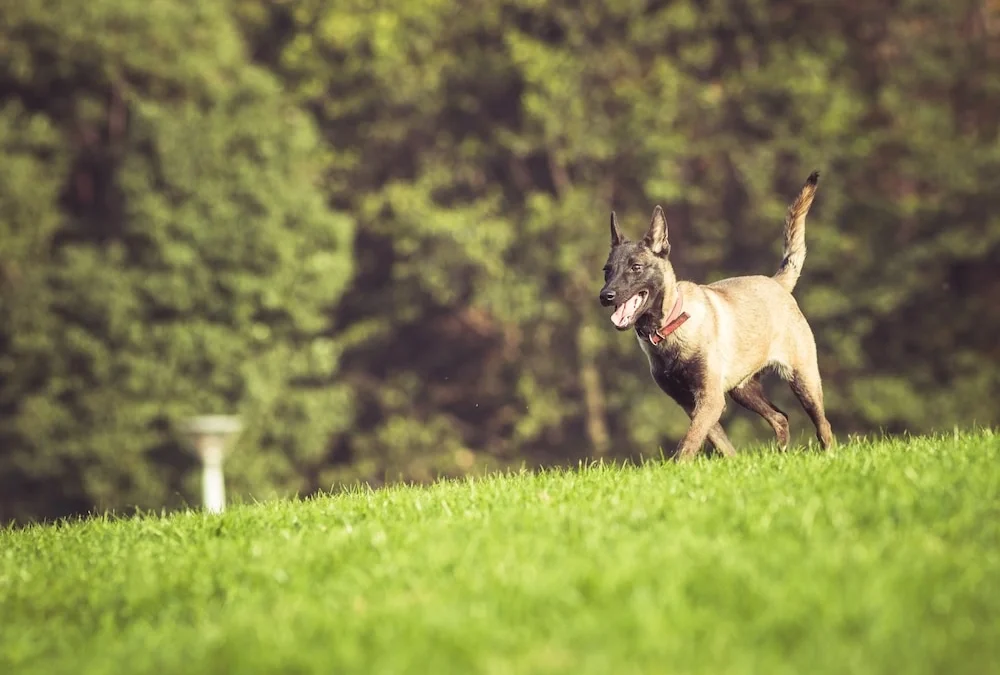
Dog owners choose artificial grass because they want a cleaner yard without mud, bare patches, or constant lawn care. K-9 turf and regular artificial grass can look similar, but they are built for different levels of use. The better choice depends on drainage, odor control, durability, heat, and cleaning.
What is K-9 Turf?
K-9 turf is synthetic grass made for dogs and pet-heavy spaces, including backyards, dog runs, kennels, and pet relief areas. It works as a system: fibers, backing, base material, infill, and drainage all affect performance.
A well-planned pet turf area usually includes:
- Fast drainage so urine moves through instead of sitting near the surface
- Strong fibers for running, turning, and repeated paw traffic
- Pet-safe infill for comfort and odor control
- Easy access for rinsing and cleanup
For homes where dogs use the lawn daily, professionally installed K-9 turf for dogs can make outdoor cleanup more predictable.
What is Regular Artificial Grass?
Regular artificial grass is often installed for curb appeal, low-water landscaping, patios, pool areas, and general lawn replacement. It can stay green year-round and reduce mowing, watering, fertilizers, and herbicides. Better Homes & Gardens notes that residential turf has grown popular because it gives busy households and dry regions a low-maintenance lawn look.
That does not make it the right fit for every dog owner. Standard turf may drain more slowly, depending on its backing and base. Some infills can hold urine residue. If the lawn is a daily bathroom area, its limits become clearer.
K-9 Turf vs. Regular Artificial Grass: Key Differences
| Feature | K-9 Turf | Regular Artificial Grass |
| Drainage | Built for frequent urine flow | Depends on backing, base, and slope |
| Odor control | Uses pet-safe infill and cleaners | May trap odor if liquid sits below |
| Durability | Made for pet traffic and play | Better for light lawn use |
| Maintenance | Easier to rinse and spot-clean | May need more deodorizing |
Drainage is the biggest difference. Dog urine needs a clear path through the turf and into the base below. If liquid lingers in sand, compacted base material, or poor backing, odor can build. Raw sand may trap urine and worsen smells.
Odor control comes next. The smell many homeowners notice is often tied to urine residue breaking down into ammonia. K-9 turf does not remove the need for cleaning, but it gives rinse water and urine a better route out of the system.
Dogs also wear the same areas again and again: fence lines, favorite paths, potty corners, and play zones. For many homeowners, dog-friendly artificial grass is less about looks and more about how the surface performs after months of pet use.
Is Regular Artificial Grass Okay for Dogs?
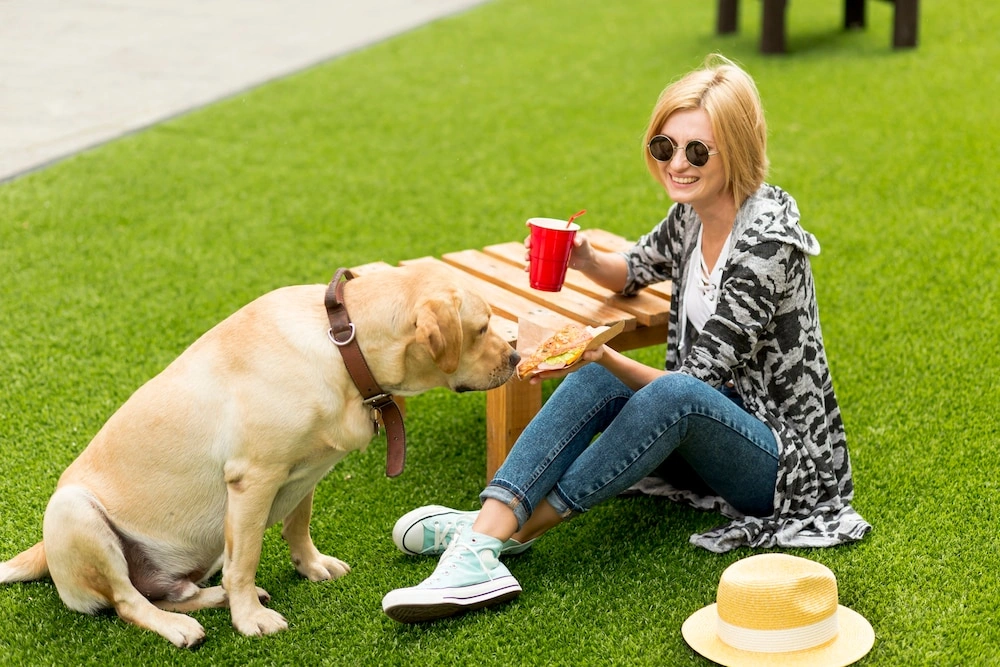
Yes, regular artificial grass can be okay for dogs in light-use settings. It is not automatically unsafe. The concern is performance. If dogs urinate on it several times a day, the turf may need more rinsing, deodorizing, and brushing than expected. Heat is also worth noting. A 2024 study found that synthetic grass can have higher surface and air temperatures than natural grass, so shade and limited midday play are sensible precautions.
When Should Pet Owners Choose K-9 Turf?
K-9 turf is usually the better fit when:
- One or more dogs use the yard daily
- The lawn has muddy or worn-down areas
- The same corner is used as a potty spot
- Odor has already been an issue
- The yard gets concentrated pet traffic
- The homeowner wants simpler cleanup
For a deeper breakdown of pet turf materials, drainage layers, odor control, and installation planning, learn what K-9 turf is.
Installation Matters
The product is only part of the decision. A pet turf system depends on base preparation, slope, drainage layers, seam work, infill choice, and cleaning access.
That is why pet turf installation should focus on the whole system, not just grass color or blade shape. Ask how the installer handles urine flow, waste cleanup, odor control, and water movement under the surface.
Final Recommendation
For most dog owners, K-9 turf is the stronger long-term choice. Regular artificial grass can work for light pet use, but it is usually not built around daily urine, waste, paw traffic, and odor control. A pet-specific system may cost more upfront, yet it can save time and frustration later.
Frequently Asked Questions
Can dogs pee on K-9 turf?
Yes. K-9 turf is designed so urine can pass through the surface into the drainage base below. It still needs routine rinsing, especially in small yards, shaded corners, or heavily used potty areas.
Does artificial grass smell when dogs use it?
It can smell if urine residue stays trapped in the turf, infill, or base. Good drainage, prompt waste removal, rinsing, and pet-safe cleaners help reduce odors before they settle in.
Is K-9 turf worth it for pet owners?
For daily dog use, yes. K-9 turf is usually worth it because it is built for drainage, cleaning, and wear from paws, play, and bathroom habits, not just appearance.
Is artificial grass too hot for dogs?
It can get hot in direct sun. Provide shade, test the surface with your hand, rinse it when needed, and avoid long play during peak heat, especially on sunny afternoons.
How do you maintain artificial grass for dogs?
Remove solid waste quickly, rinse urine areas, brush high-traffic spots, and use a turf-safe enzymatic or pet deodorizing cleaner when needed. Consistent care is better than occasional deep cleaning.