
California’s Building Energy Efficiency Standards, better known as Title 24, set the bar for how replacement windows must perform. These rules guard against energy waste, protect indoor comfort, and shape what inspectors look for at final sign-off. If you are planning window replacement in Livermore, the statewide energy rules apply, and the 2025 Energy Code governs permit applications submitted on or after January 1, 2026.
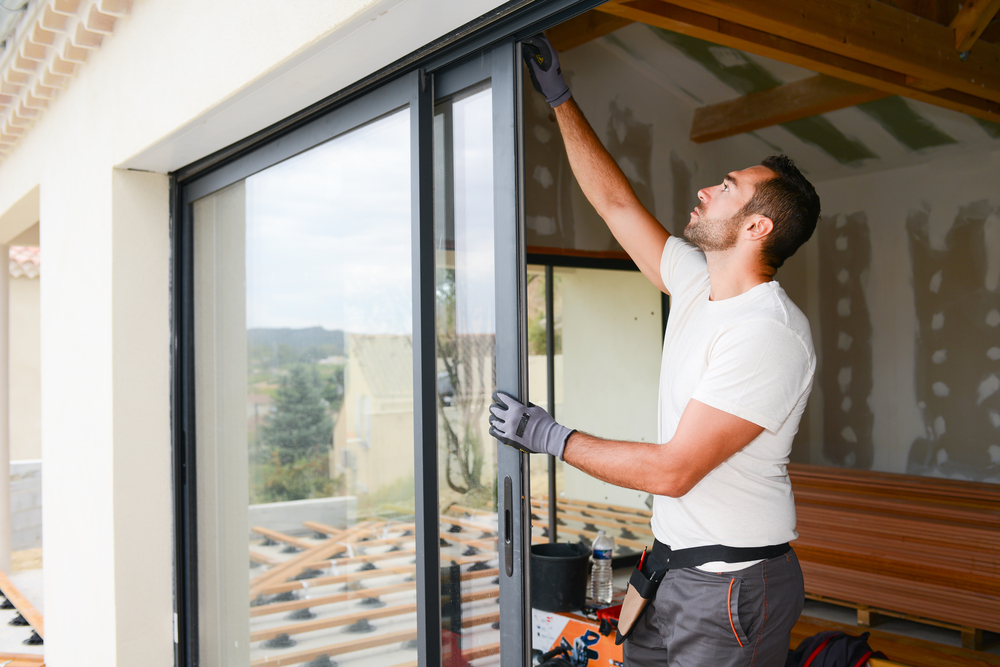
Under Title 24, doors with at least 25% glass also count as “fenestration,” so they get pulled into the same calculations.
Quick Answer
For a typical same-area replacement-window project in Livermore, which is in Climate Zone 12, the 2025 Energy Code generally sets a maximum U-factor of 0.27 and a maximum SHGC of 0.23 when more than 75 square feet of vertical fenestration is replaced. If no more than 75 square feet is replaced, an alteration exception allows a U-factor up to 0.40 and an SHGC up to 0.35.
The 20% total-fenestration-area and 5% west-facing-area caps do not apply to same-area replacement fenestration; they matter when fenestration is added.
What Title 24 asks of a replacement window
Title 24 sets both mandatory features and prescriptive performance targets. On the mandatory side, manufactured windows must carry certified energy ratings (U-factor and SHGC) and meet air-leakage limits. Those ratings come from the National Fenestration Rating Council (NFRC), and the temporary NFRC label must stay on the product until the building department inspects it.
Air infiltration may not exceed 0.3 cfm/ft² at 75 Pa for residential windows.
The numbers that matter
For most single-family replacement projects, two values do the heavy lifting:
- U-factor (heat loss): In Livermore’s Climate Zone 12, the 2025 prescriptive maximum is 0.27 for same-area replacement projects over 75 square feet; the small-project exception allows up to 0.40 when no more than 75 square feet is replaced.
- Solar Heat Gain Coefficient (SHGC): In Climate Zone 12, the 2025 prescriptive maximum is 0.23; the small-project exception allows up to 0.35 when no more than 75 square feet is replaced.
Those figures show up on the NFRC label and on your Title 24 compliance forms. For same-area replacement windows, the 20% total-window-area and 5% west-facing-area caps do not apply; those area limits matter when fenestration is added.
| Project / condition | Maximum U-factor | Maximum SHGC |
|---|---|---|
| Livermore (CZ 12), same-area replacement over 75 ft² | 0.27 | 0.23 |
| Same-area replacement no greater than 75 ft² | 0.40 | 0.35 |
| Replacement skylight | 0.40 | 0.30 |
| Glass in existing sash/frame or sash in existing frame | Repair if at least equivalent to original performance | Repair if at least equivalent to original performance |
Source: California Energy Commission, 2025 Building Energy Efficiency Standards, Sections 150.1(c) and 150.2(b).
Permits, paperwork, and inspections
Window change-outs require a building permit. Inspectors will verify that installed products match the energy documentation and that the temporary NFRC labels reflect compliant U-factor and SHGC values. Keep those labels on until the final inspection; removing them early can stall your approval. In Livermore, both retrofit and new-construction-style window replacements require a permit. Glass-only replacement does not require a window-replacement permit.
Outside Livermore, confirm permit requirements with the local building department before ordering windows.
Egress, safety glazing, and what replacement rules allow
Energy performance is not the only concern. Bedrooms need an emergency escape and rescue opening. For a new or newly required egress opening, the familiar minimums still apply. As a rule of thumb, the clear opening must be at least 5.7 square feet, with minimums of 20 inches in width and 24 inches in height, and the sill no higher than 44 inches from the floor. For an existing required egress window, California’s replacement exception generally allows the manufacturer’s largest standard size that fits the existing frame or rough opening when it keeps the same operating style or provides an equal-or-greater opening area. Safety glazing is required in hazardous locations such as near doors or in bathing areas. Coordinate schedules with trades like house painters in Livermore so trim and sealants are not disturbed before inspection.
Climate zones, glare control, and shading choices
California assigns each jurisdiction to one of sixteen climate zones. In zones that require a 0.23 SHGC, you can meet the target with low-e glass or, alternatively, with permanently installed exterior shading devices. Interior blinds or plantation shutters can improve comfort, but they do not change the SHGC rating used for code compliance.
Livermore is in Climate Zone 12, so the 0.23 SHGC limit applies to same-area replacement projects over 75 square feet under the 2025 prescriptive rules.
Product selection that passes on the first try
In Livermore, products specified for the 2025 prescriptive path generally need to meet the 0.27 U-factor and 0.23 SHGC limits discussed above. Manufacturers publish NFRC ratings in catalogs and on product labels, so match the exact series and glazing package shown on your Title 24 documents. If a project adds fenestration beyond the prescriptive area limits or otherwise cannot meet the prescriptive requirements, a performance analysis may allow trade-offs elsewhere in the building design. A good contractor will line up documentation early and verify labels on site.
For more detail on glass packages and climate-zone performance, see our guide to choosing energy-efficient windows for California climates.
With careful specification, you can still achieve affordable window replacement without risking a correction notice.
Doors with glass count as windows (for energy math)
Any exterior door with 25% or more glass is treated as fenestration. Its U-factor and SHGC therefore have to be handled under the fenestration requirements, but a like-for-like replacement does not need to be added to a 20% total-area or 5% west-facing-area test.
A simple path to a smooth inspection
Before ordering, confirm your project’s climate zone with an expert and decide whether to follow the prescriptive or performance route. Keep the NFRC labels on, track U-factor and SHGC values across all window and glazed-door types, and verify egress and safety-glazing locations. If you are replacing windows as part of a broader exterior refresh, sequence caulking, trim, and paint after inspection to avoid rework.
Code compliance is also separate from expected utility savings: actual savings depend on the windows being replaced, orientation, installation quality, air leakage and the rest of the home.
Frequently Asked Questions
Do replacement windows in California have to meet Title 24?
Generally, yes when manufactured fenestration is installed as part of an alteration. The exact limits depend on climate zone, project size and whether the work is a replacement, added fenestration or a repair.
What is the 75-square-foot exception for replacement windows?
For single-family alterations replacing no more than 75 square feet of vertical fenestration, the 2025 Energy Code allows a U-factor up to 0.40 and, in Climate Zones 2, 4 and 6 through 15, an SHGC up to 0.35. Climate Zone 15 has a separate replacement SHGC limit of 0.23.
What U-factor and SHGC does Livermore require in 2026?
Livermore is in Climate Zone 12. For same-area replacement fenestration over 75 square feet, the 2025 prescriptive limits are generally U-factor 0.27 and SHGC 0.23.
Does replacing only the glass trigger the replacement-window requirements?
Not necessarily. Glass replaced in an existing sash and frame, or sashes replaced in an existing frame, can be treated as repairs when the replacement is at least equivalent to the original in performance.
Do I need to keep the window label on until inspection?
Yes. Leaving the temporary performance label in place allows the inspector to verify that the installed product matches the approved energy documentation.