
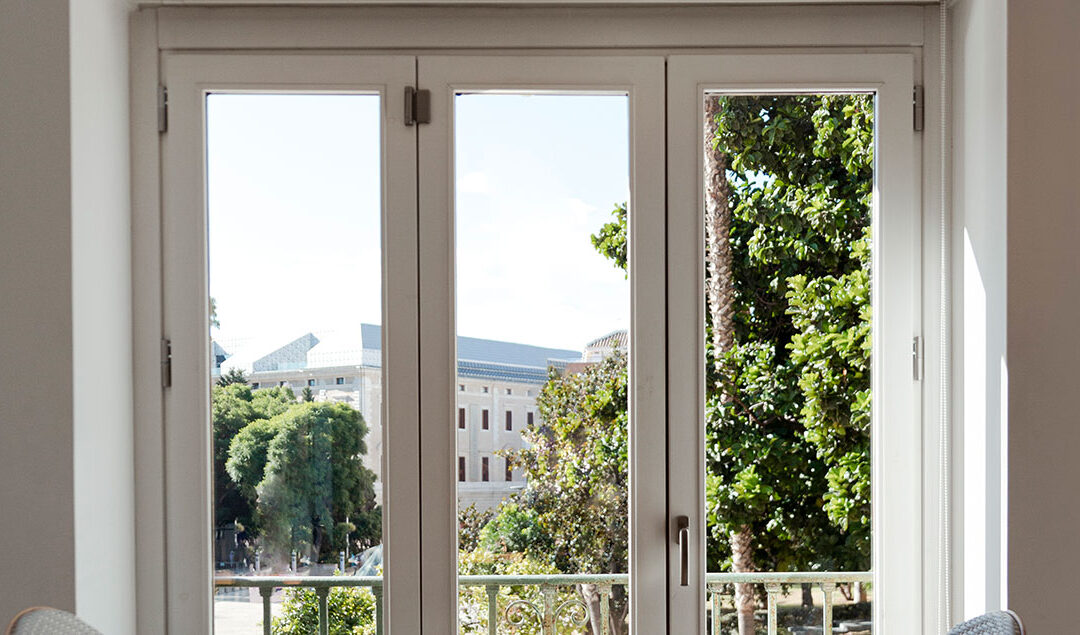
Replacing worn windows is a multidecade investment. The frame material—wood, vinyl, fiberglass, aluminum, or a hybrid—shapes energy use, upkeep, looks, and final pricing. This article outlines what each option does well, where it may disappoint, and how to match a choice to your home’s priorities.
Wood: Warmth and Architectural Authenticity
Wood insulates well and can be milled into nearly any profile. A clear coat shows off grain, while paint lets the frame disappear into the façade. Routine scraping and refinishing keep moisture at bay, though modern factory finishes and aluminum cladding ease the burden. Owners who prize character often still gravitate to wood, even at a higher cost.
Vinyl: Low Maintenance at a Friendly Price
Frames molded from polyvinyl chloride rarely warp or peel. Because pigment runs through the extrusion, scratches stay hidden and washing with mild soap restores the surface. Vinyl typically delivers the lowest Window replacement cost. Wider spans may need internal metal stiffeners that sap some thermal performance, and color choices remain limited—painting vinyl voids many warranties.
Fiberglass: Strength Meets Stability
Pultruded fiberglass expands and contracts at nearly the same rate as insulated glass, which is kind to seals. High strength allows slender sightlines without risking deflection under wind loads. Expect a higher price than vinyl but far less care than raw wood. Factory colors range from white to deep charcoal, and unlike vinyl, fiberglass accepts site-applied paint.
Aluminum: Sleek and Structural
Architects still specify aluminum for its crisp profile and load-bearing capacity. Thermal breaks have improved its energy ratings, though they trail fiberglass. In cold climates condensation can form on metal surfaces, but in coastal regions where wind pressure is intense, aluminum remains a pragmatic choice.
Composite and Hybrid Frames: Targeted Performance
Many makers fuse materials to balance strengths. A common pairing is a vinyl or fiberglass exterior bonded to a wood interior, combining design flexibility indoors with zero repainting outside. Others mix recycled wood fibers and PVC into a single composite that resists rot and holds paint. Because chemistry and warranty terms vary, read the specs closely before comparing bids.
Factors That Tip the Scale
When proposals arrive from window fitters near me, numbers alone rarely tell the whole story. Keep these points in mind:
- Climate: Hot, sunny zones favor low-conductivity frames; hurricane country demands structural muscle.
- Aesthetics: Historic districts sometimes restrict materials on street-facing façades.
- Maintenance bandwidth: Be honest—are you willing to sand and seal every few years?
- Sustainability: Look for independent certifications and recycled content.
- Budget lifecycle: Pair purchase price with projected upkeep.
Putting It All Together
A homeowner adding large picture windows might choose fiberglass for narrow sightlines while using vinyl in bedrooms to save cash. Mixing materials works when colors match and grille patterns align, so do not let old rules about “never mixing” discourage you.
Ask whether the same crew that sells the product performs the window installation; subcontracted labor can muddy warranty claims. Insist each quote lists hardware, glass, and labor line by line to prevent surprises and speed permit approval.
Energy Codes, Rebates, and Resale
Energy-efficient frames do more than trim utility bills; they may also qualify for local rebates or tax credits tied to specific U-factor or SHGC thresholds. In California, for example, Title 24 sets minimum performance targets that often nudge buyers toward low-conductivity options such as foam-filled vinyl or thermally broken aluminum. Utility companies sometimes stack incentives on top, shaving hundreds of dollars off a multi-window order.
Real-estate data show that certified efficient windows lift resale value, especially in regions where energy costs hit pocketbooks hard. Appraisers can itemize the upgrade if invoices list frame type and NFRC ratings, so keep documentation in a safe place. Even if you plan to stay put for years, proof of performance helps when refinancing or filing an insurance claim after a storm.
A Note on Affordability
The phrase affordable window replacement means different things to different households. Extras such as between-glass blinds or exotic exterior colors can be deferred without affecting energy savings, but skimping on frame quality may saddle you with repairs that outstrip the upgrade you skipped.
Final Checklist Before You Sign
- Confirm the frame material and any cladding in writing.
- Match U-factor and Solar Heat Gain Coefficient to your climate zone.
- Verify lead times; supply chain hiccups still pop up.
- Review the workmanship warranty alongside the manufacturer warranty.
- Schedule your window replacement for homes during mild weather when possible.
The right material pulls together efficiency, design harmony, and long-term value. With clear priorities and solid information, you can sort bids confidently, move ahead with an upgrade that serves your household for decades, and make every view look better—whether you live in window replacement Tracy CA or elsewhere.